

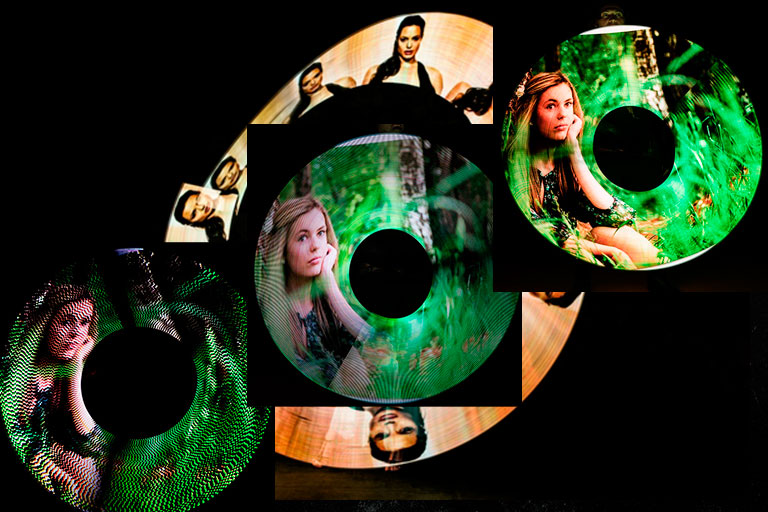
We created a different degree of detail: 64 diodes per 46 cm, 80 diodes per 23 cm and 240 diodes per 47 cm. We want to demonstrate this difference in quality and show that ipoi240 is the best product in the line
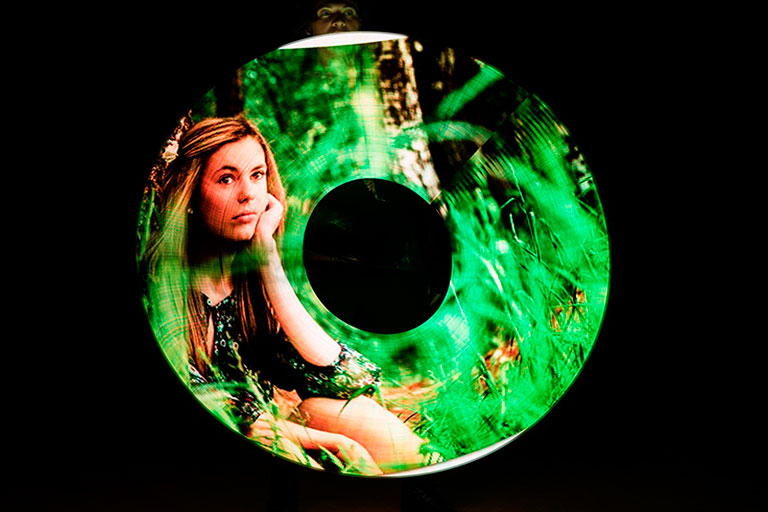
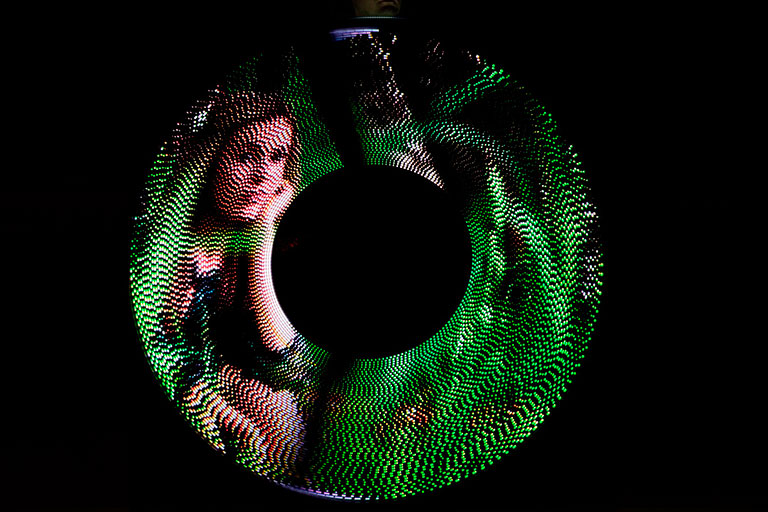
Ipoi240 (240 diodes per 47 cm)
This is the most interesting model that we developed. Five diodes per centimeter - it's very, very beautiful. You can always prove that the customer does not care, but believe me, if he sees his photo with television clarity - he will choose your show, not competitors.
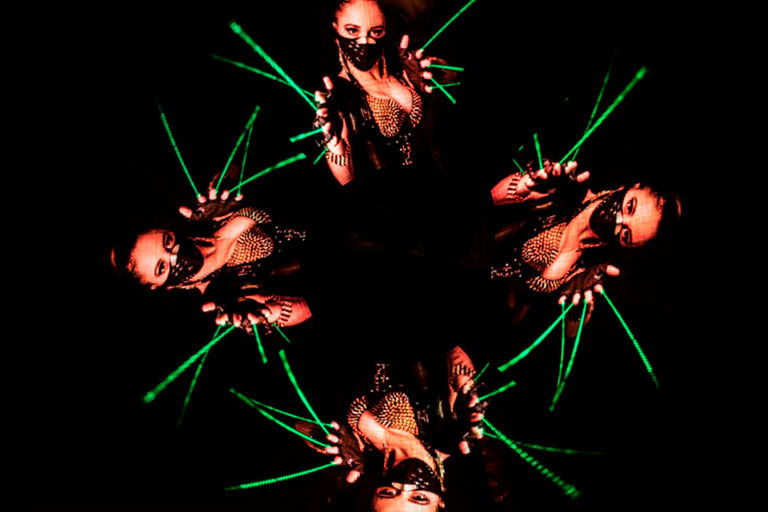
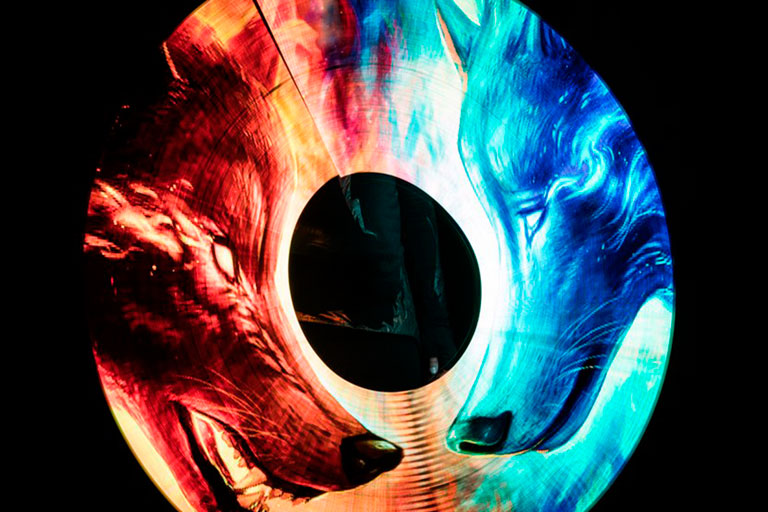
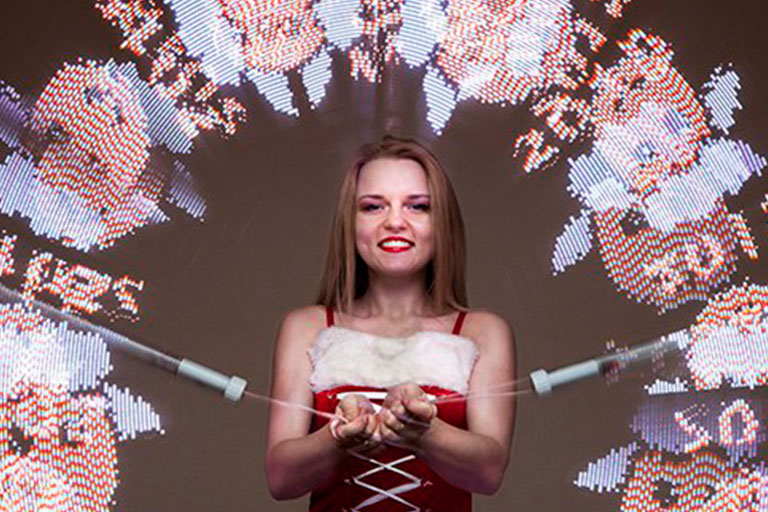
Ipoi80 (80 diodes per 23 cm)
Excellent poi for the show, but you can see less brightness and clarity, due to lower detail. Note that the greater the distance between the diodes, the better it is visible on the outer edge of the picture. Due to this, the purity of the picture and the brightness of the image are reduced. But nevertheless, this is quite a spectacular props capable of reproducing distinct photos.
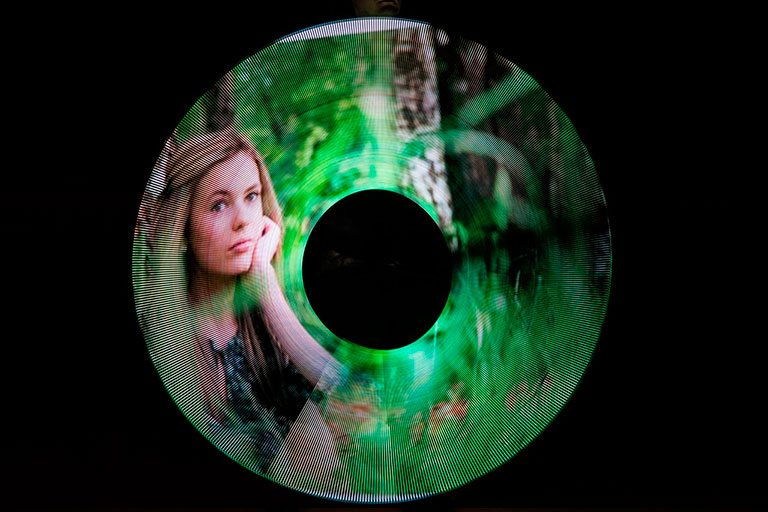
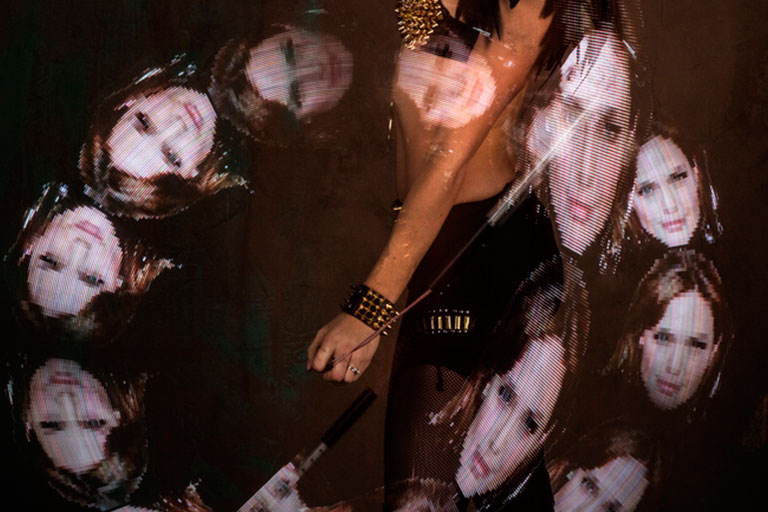
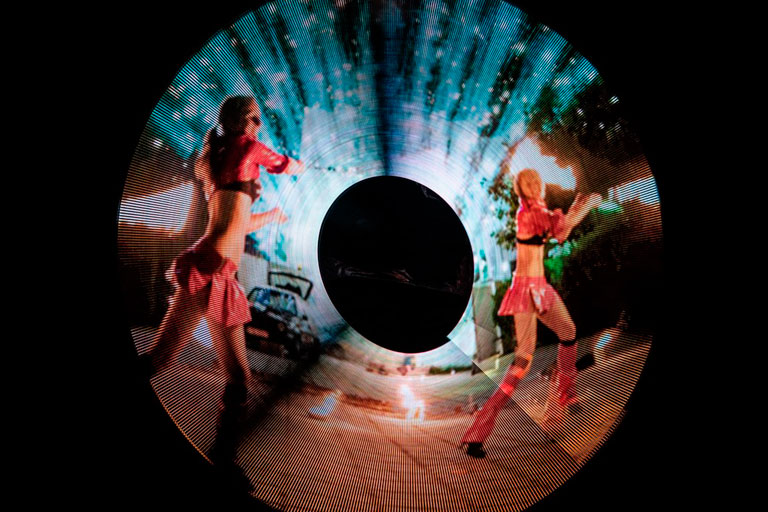
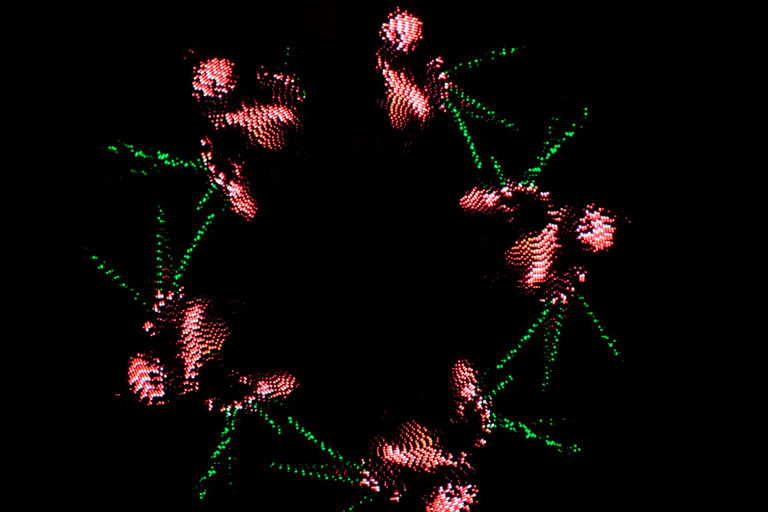
Ipoi64 (64 diodes per 47 cm)
This is the first professional model that has been running for the third year already! But for the show, it's obsolete. Whatever one may say - poi with the details of less than 3 diodes per centimeter - this is the last century and they can not surprise them any more.
A little history of creating a pixel
Our team has always developed the props themselves: they invented it themselves, sewed, soldered, programmed. And the pixel was no exception. The physics of the process and the desire to do something unique constantly pushed ahead to new developments. At first, the very simple model based on the tape was made .... Even remembering is scary.
Later we created a poi with a detailed description of 64 diode at 46 cm, but this was not enough for us. We wanted to surprise people from abroad and made poi with more detailed details: 80 diodes per 23 cm, detailing like the famous Ignisov (160 ice / 45cm). These poi conquered Tunisia on the spot.
We decided to do the last generation not only for ourselves, but for others. It is incredibly nice to say that we are creating props with incredible detail and it is created by Belarusians. So, 240 pbb of diodes at 47 cm. It's almost 1500 diodes per one sing! Many screens have the details below. Even handles on poi were developed separately, taking into account the convenience of length and softness of the material. The only point in the world that is correctly displayed (with the assistance of NII PFP) is the D65 point. D65 is white light, more precisely white, at noon on a cloudy day, this light corresponds to the correlated color temperature of 6500 K. No one thought about the physics of light emission and its correctness, but we decided that it would be correct to display colors with detuning at the D65 point.
We set out to create not a mass props, but a unique one. Let's not sell 2000 pairs a year, but we communicate with artists using our props, collect feedback and create a unique product. We also approached the software creatively and filled it with an audio track (do not have to worry and count seconds on the track), supplemented with a circular scan of the image and the ability to create a static scan mode (successively lighted diodes when stationary).
The photos in the article are real and without additional processing to create the illusion of a dense image.